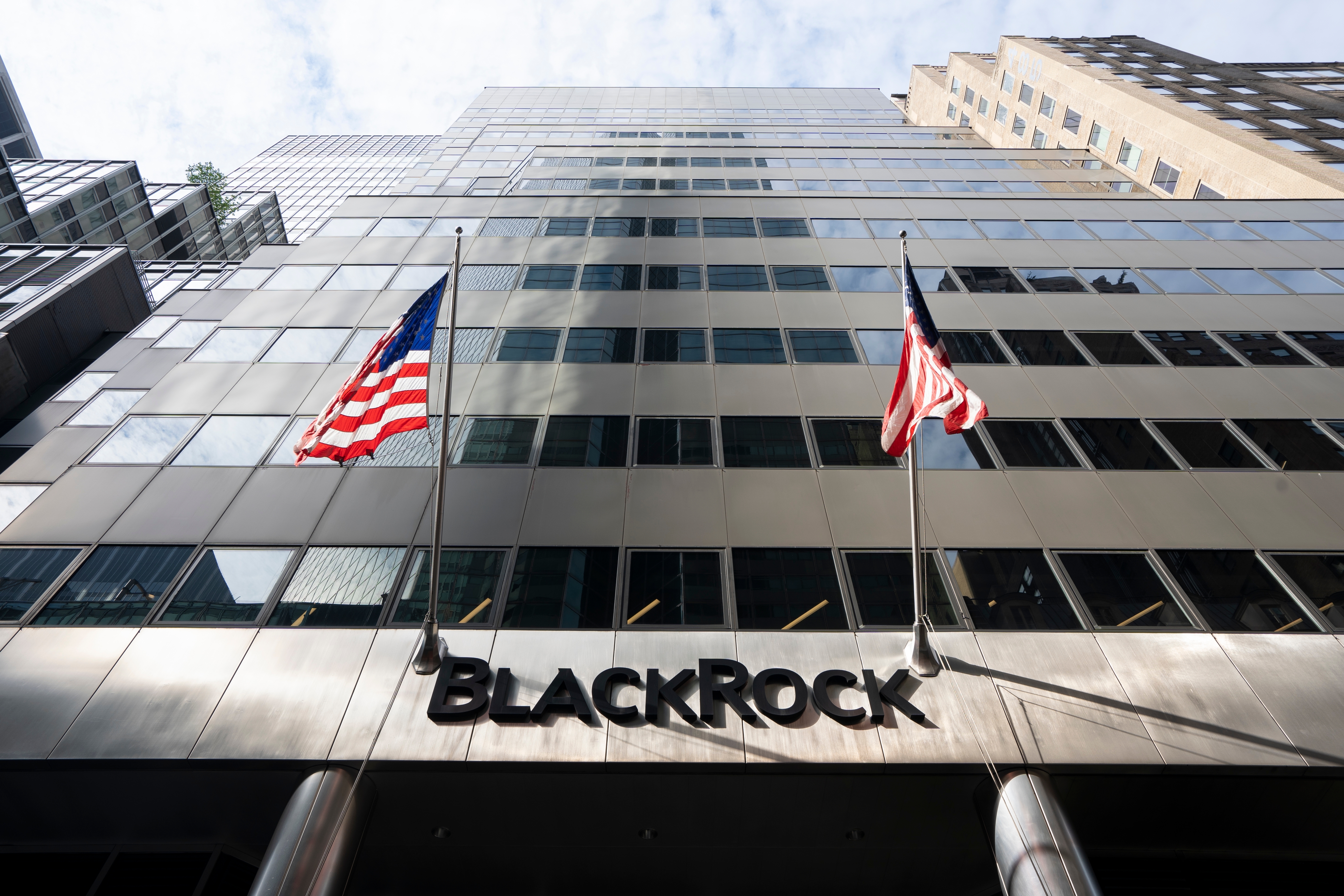
From bonds’ fading role to a 50/30/20 portfolio, BlackRock’s Mike Pyle argues hedge funds are becoming central to diversification while capital chases the AI buildout.
In his role as Deputy Head of Portfolio Management at BlackRock, Mike Pyle oversees $5tn in systematic and discretionary strategies. This extraordinary sum requires robust oversight and strong interconnectedness across every facet of the platform. “Each part becomes strong by sitting alongside and connecting with others. For example, the analytical engine that the BlackRock Investment Institute provides underpins so much of what we do in active investing,” he notes.
The Investment Institute has been critical in helping BlackRock understand the current capital market demands in the US and how the firm positions portfolios accordingly. Pyle is also keen to highlight the role the systematic team in San Francisco is playing with their development of new technology and AI tools: “They have been building a platform that replicates from beginning to end much of what a fundamental equity analyst can do in their day-to-day work. Providing additional sources of insight to our investors.”
Pyle is speaking to Hedgeweek upon the release of BlackRock’s H2 hedge fund outlook. Pyle, who wrote the foreword, noted that “today’s environment is not simply broadening the opportunity set for hedge funds but heightening the importance of the diversification they can bring.” Some of the headline findings from the report unveiled the diminishing role that bonds now play as the central stabiliser within portfolios. Market-neutral strategies are the preferred alternative, playing a bigger diversification role and providing more ballast than fixed income positions.
This changing portfolio construction is reflective of how BlackRock and Pyle now view the traditional 60/40 portfolio, with the firm preferring their own 50/30/20 portfolio framing, believing it is more conducive to the current market environment. “50% in equities, 30% in traditional bonds, and 20% in alternatives. That may be private assets but also hedge funds. These investment vehicles can provide portfolio-level diversification because of their diminishing correlation with other asset classes and broader direction of the market.”
Within the hedge fund investment universe for BlackRock, Pyle mirrors many other industry representatives by highlighting the continued, burgeoning demand for multi-strat exposure. “Our clients continue to want hedge fund strategies that can dial out market risk, remain beta-neutral and reduce traditional sources of factor risk.” The H2 outlook also highlighted the continued growing expansion of macro-opportunities, with rising debt supply and diverging inflation creating dispersion across markets. “Having a skilled manager who can navigate these forces and different sources of beta driving markets is increasingly valuable”. Whilst M&A Volume hitting near record highs in the first half of 2026, is also creating significant event-driven opportunities.
Another key area of note is the growing resurgence of portable alpha strategies for clients. Greater customisation and more bespoke investment vehicles have seen SMAs becoming an area of significant growth in recent years across the hedge fund industry. Pyle sees portable alpha strategies as an extension of this framework: “We believe these strategies can be valuable components of a total portfolio. Large allocators around the world are looking for ways to get more out of their equity portfolios. Our approach is to combine synthetic beta with a hedge fund alpha stream.”
Looking forward, Pyle believes the ferocious competition for capital will be a “defining theme for the next several quarters.” More importantly, which sectors and industries capture the opportunities it creates will be critically important to the next phase of the AI buildout: “Are the expected gains in growth and productivity actually materialising, and what other businesses or sectors might be squeezed out as a result of this competition for capital?”
Watch the full interview here.
Hedge funds price the policy risk ahead of the midterms
With a Democratic takeover of Congress threatening to reshape policy priorities, hedge fund managers are looking beyond the election…
More
Patience and discipline in a value investor’s 40-year playbook
From spin-off structures to Japan’s governance reform, the veteran investor is targeting undervalued industrials while sidestepping the AI…
More
UK Budget: What hedge funds want from Healey
A credible growth plan, gilt-market discipline and a tax regime that keeps talent in London top the wish list as John Healey prepares his…
More
