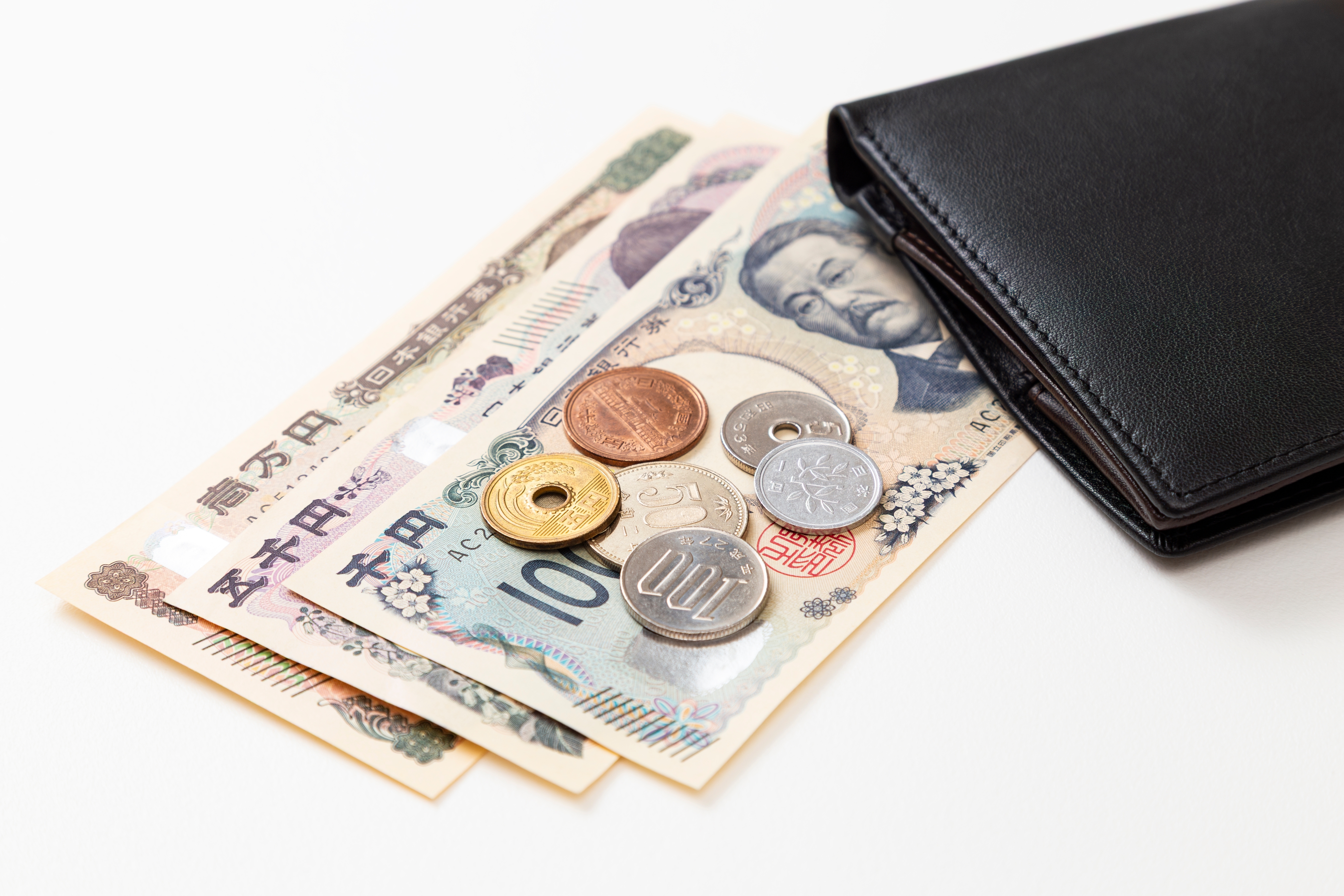
Hedge funds have sharply reduced bearish positions against the Japanese yen, with net short exposure falling to one-eighth of its June peak as currency volatility declined to its lowest level in four and a half years, according to a report by Business Korea.
Commodity Futures Trading Commission (CFTC) data shows hedge funds held approximately 14,000 net short yen contracts, equivalent to ¥180bn, as of 27 October, compared with around 115,000 contracts at the end of June. The reduction coincided with a narrowing of the dollar-yen trading range to just ¥2.87 in October, with the exchange rate fluctuating between approximately ¥156 and ¥159 per dollar.
The retreat reflects growing caution among speculative investors following coordinated US-Japan currency intervention in July and repeated warnings from policymakers against excessive yen weakness. Comments from Japanese Prime Minister Sanae Takaichi suggesting a reduced emphasis on reflationary policies have also eased concerns that the government could resist further monetary tightening by the Bank of Japan.
Demand for the yen has strengthened amid rising global risk aversion, with uncertainty surrounding US technology valuations and European fiscal conditions encouraging renewed interest in traditional safe-haven assets. Falling US real interest rates and increased foreign investment in Japanese government bonds have provided additional support.
However, structural pressures continue to limit the currency's recovery, including dollar demand from energy importers, Japanese retail investment in overseas assets and persistent digital trade deficits. Analysts warn that a slower pace of Bank of Japan rate increases or renewed oil price volatility could push the dollar-yen exchange rate back towards ¥160 by year-end.
The sharp reduction in hedge fund short positioning suggests speculative selling pressure has eased considerably, although analysts caution that the prolonged period of low volatility could leave currency markets vulnerable to abrupt moves as new positions accumulate.
