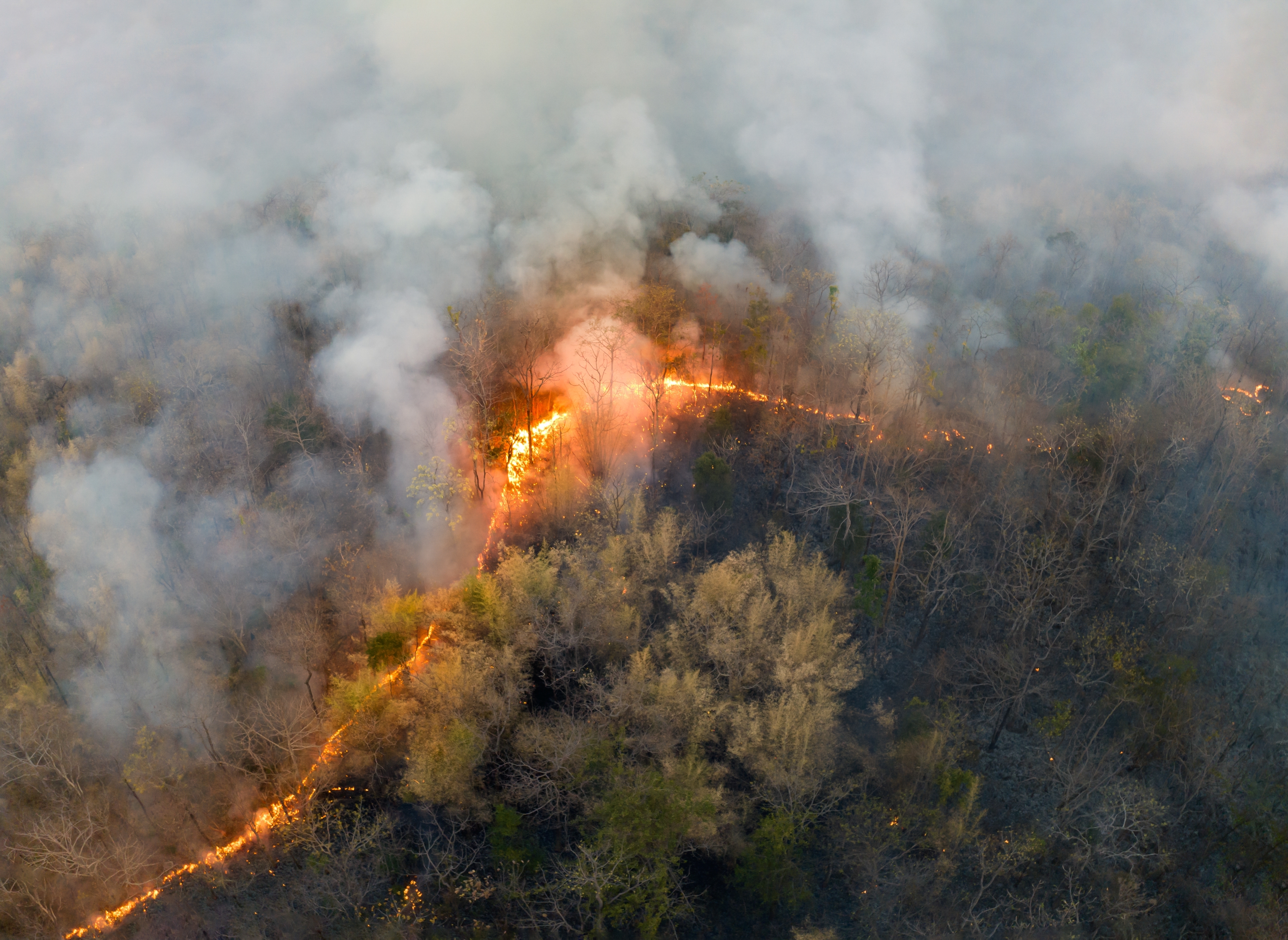
Hedge funds are increasing their purchases of legal claims linked to the 2025 Los Angeles wildfires, encouraged by a slowdown in efforts by California lawmakers to restrict investors from buying rights to insurance recoveries, according to a report by Bloomberg.
Investors are acquiring claims at steep discounts, with prices ranging from as little as three cents on the dollar for some Palisades fire-related claims to around 60 cents for claims linked to the Eaton fire, according to transactions reviewed by Bloomberg. The investments offer funds the prospect of attractive returns if they can recover more than their initial outlay through subsequent legal settlements.
California politicians had sought to curb the market amid criticism that alternative asset managers were seeking to profit from a disaster that caused widespread destruction and substantial financial losses. However, a legislative impasse has eased concerns among investors that the state might impose a broader ban on the transactions.
The Eaton and Palisades fires, which devastated parts of Los Angeles in early 2025, generated an estimated $40bn in insured losses. Nearly two years later, disputes over responsibility for those costs remain unresolved, with claims expected to take years to work through the legal system.
Subrogation allows insurers to pursue compensation from third parties considered responsible for losses, including utilities suspected of causing wildfires. Rather than waiting for potentially lengthy litigation, insurers can sell those legal rights to investors at a discount in exchange for immediate cash. Buyers assume the associated legal and recovery risks in the hope of generating a profit when claims are settled.
Many hedge funds targeting the market are reportedly seeking returns in the low-to-mid teens.
The market though remains relatively opaque, with participants often reluctant to disclose transaction details or identify buyers and sellers because of the political sensitivity surrounding investments in disaster-related claims. The California Earthquake Authority, which administers the California Wildfire Fund, previously criticised such investments as opportunistic attempts by financial firms to profit from a social and environmental catastrophe.
California Governor Gavin Newsom has sought to limit the involvement of hedge funds and other alternative investors. Legislation introduced in 2025 requires insurers to give utilities a right of first refusal before selling subrogation claims to third parties. However, the law stopped short of prohibiting investor purchases altogether.
The report cites Willis Hon, an attorney at Nossaman specialising in public utilities regulation and environmental law, as saying that the failure to remove subrogation claims entirely from the investment market would reassure hedge fund managers.
The insurance industry, meanwhile, maintains that the legislation has not changed its approach. Denni Ritter, vice president of state government relations at the American Property Casualty Insurance Association, said insurers would continue paying policyholders and pursuing recoveries from utilities deemed responsible for wildfires.
Max said the right-of-first-refusal requirement had so far made little difference to investor demand, adding that he had not lost any transactions as a result of the legislation. He also questioned whether utilities or government bodies had sufficient resources to purchase the claims themselves.
California has become a significant market for these investments because of the scale of wildfire-related insurance losses and the state's legal framework. Under the doctrine of inverse condemnation, utilities can be held liable for property damage caused by their infrastructure without the need to establish negligence in the usual way. This has contributed to lengthy disputes between utilities seeking to limit costs passed on to customers and insurers looking to recover payouts and sell claims to investors.
The litigation is expected to remain substantial. Southern California Edison said it was aware of approximately 2,000 lawsuits related to the Eaton fire as of July, involving around 32,000 individual plaintiffs, alongside claims brought by insurers and public entities. A bellwether jury trial in the Eaton fire litigation is scheduled for January 2027.
European bond markets stabilise as hedge funds navigate French debt turmoil
European government bond markets regained some stability at the end of a volatile week, as easing oil prices and a pause in fresh…
More
Elliott and GTCR near deal to acquire CCC Intelligent Solutions
Activist investor Elliott Investment Management and private equity firm GTCR and are in advanced discussions to acquire CCC Intelligent…
More
Tech earnings put hedge fund dispersion trades to the test
Hedge funds heavily exposed to equity dispersion strategies are looking to upcoming technology earnings to revive volatility, following a…
More
